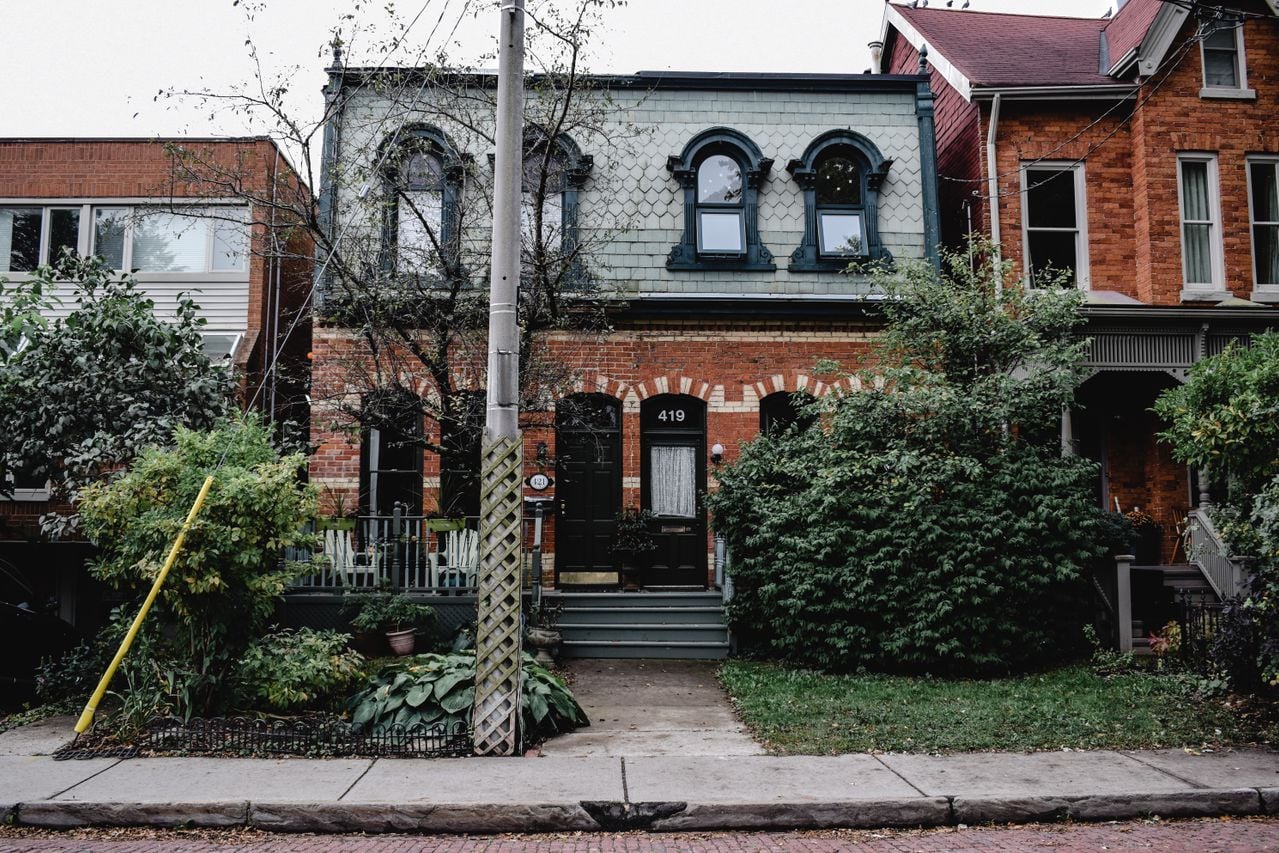
Selling a house in Ontario involves six core steps: choosing the right agent, setting a strategic listing price, preparing your home for the market, marketing it effectively, navigating offers and negotiation, and closing with a real estate lawyer. Each step affects your final sale price and timeline, so working through them in order — with the right guidance at each stage — is what separates a smooth sale from a stressful one.
The 6 Steps to Selling Your Home in Ontario
- Choose the right real estate agent
- Set the optimal listing price
- Prepare your home for the market
- Market your home across MLS® and online platforms
- Navigate offers and negotiation
- Close the deal with a real estate lawyer
1. Choose the Right Real Estate Agent
The right agent affects nearly every outcome in your sale — price, timeline, and how smoothly the process goes — so this is the step worth spending the most time on upfront.
Evaluate their qualifications. Look for agents who are members of the Canadian Real Estate Association (CREA) and who can point to a track record selling homes in your specific neighbourhood, not just your general market. Ask directly about their marketing strategy, negotiation approach, and how they handle multiple-offer situations.
Understand their fee structure. Real estate commissions in Ontario are typically negotiated as a percentage of the final sale price, and the exact structure — and what services it includes — varies by brokerage. Ask your agent to walk you through their fee structure and what's included before you sign anything.
Set clear expectations early. Discuss your timeline, your must-haves, and any concerns before you list — a shared understanding upfront prevents friction later in the process.
2. Set the Optimal Listing Price
Your agent should build your listing price from a comparative market analysis — recent sales of comparable properties, current local trends, and your home's specific condition and features.
Know your market conditions. Supply and demand, average days on market, and neighbourhood-level variation all affect what "priced right" actually means in Durham Region right now. This shifts by season and by city, so lean on your agent's current read rather than last year's numbers.
Price strategically, not just competitively. The right price balances your target sale value against what the market will actually bear — priced too high, you risk sitting unsold; priced right, you can generate multiple offers that push the final price up.
3. Prepare Your Home for the Market
Start with curb appeal. First impressions happen before a buyer opens the door — a tidy lawn, refreshed landscaping, and a clean, inviting entrance all matter more than people expect.
Declutter and depersonalize. Buyers need to picture themselves living in your home, which is harder when it's full of your furniture and personal items. Clear the space so it reads as a neutral canvas.
Handle repairs and upgrades strategically. Talk to your agent about which fixes and updates actually improve your return — not every upgrade pays for itself at resale, and some matter more than others depending on your specific home and market.
Consider professional staging. A skilled stager can highlight your home's best features and create the kind of warm, move-in-ready feeling that resonates with buyers walking through in person or scrolling listing photos online.
4. Market Your Home Effectively
Get listed on MLS®. This puts your property in front of other agents and buyers actively searching, and your agent should ensure the listing includes professional photography, an accurate and compelling description, and the right keywords for visibility.
Build an online presence beyond MLS®. Real estate websites, social platforms, and targeted online promotion extend your home's reach well past what MLS® alone captures.
Host open houses and private showings. These give serious buyers the chance to experience your home firsthand — work with your agent to schedule them at the times your home shows best.
5. Navigate Offers and Negotiation
Evaluate offers on more than price. Financing qualifications, proposed closing date, and any conditions attached to an offer all matter alongside the number itself — your agent should walk you through each one.
Handle multiple offers carefully. In a competitive market, more than one offer can come in at once. A fair, transparent process here — guided by your agent — is what protects your position and maximizes what you actually walk away with.
6. Close the Deal
Engage a real estate lawyer. A lawyer handles the title search, reviews the purchase agreement, and manages the transfer of ownership and funds — this isn't optional in Ontario, and it's worth choosing someone experienced in residential transactions.
Complete the closing steps. Expect a final walkthrough, signing of legal documents, and transfer of funds, with your agent and lawyer both guiding you through the requirements.
Sell Your Home in Durham Region With The Shiv Bansal Team
Selling a home in Ontario involves real complexity, but the right guidance at each step makes it far less stressful. The Shiv Bansal Team, Century 21 Percy Fulton Ltd., Brokerage, has served sellers across Pickering, Ajax, Whitby, and Oshawa since 1983, with additional coverage across Durham Region.
Contact us today to talk through your home sale with a REALTOR® who knows your local market, or browse our current listings to see how we position homes for sale.
Check out this article next